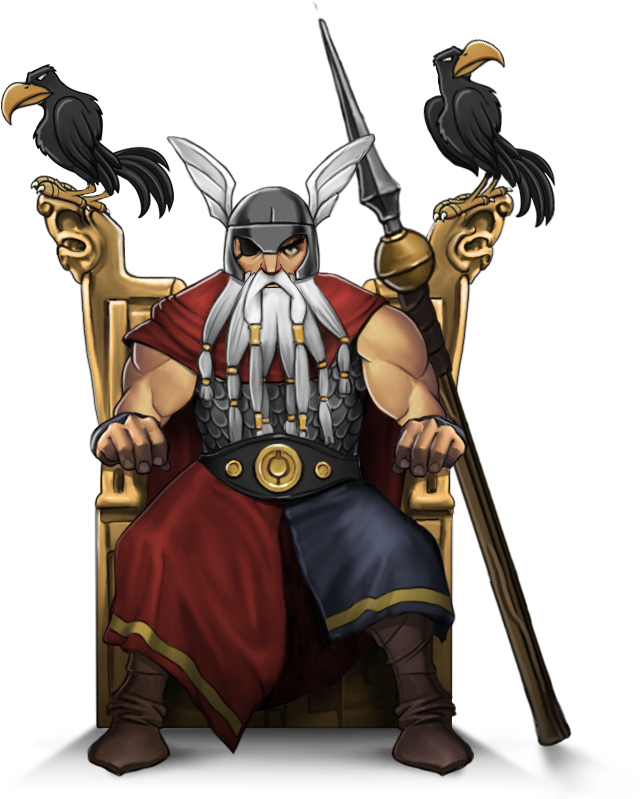
When the bloody conflict between Dwarvenhelm, Oretoun, and the Hill Dwarves reached its stalemate, tension hung heavy in Dwarvenhelm’s Council Hall. The once-bright banners of war now drooped, faded above the long stone table where the Elders convened. Their embroidered sigils collected years of dust and despair. For decades, Dwarvenhelm’s master miners wielded their skill to forge unmatched weapons—blades that never dulled, armor that stopped even the fiercest blows. But as the last clangs of war hammers echoed into silence, Dwarvenhelm’s smithies fell eerily quiet.
Elder Tharvin Ironbrow broke the silence. His voice grated from years in the mines. "We’ve bled our coffers dry chasing glory," he said, striking the table with a dull thud. "And for what? A handful of shattered swords and graves too numerous to count." His weathered face tightened with frustration as he regarded the council. "It’s time we turned our hammers toward something that will actually fill our bellies."
The murmurs that followed started hesitantly, but grew into a steady rumble of agreement. Even Elder Gromli Stonefist, once a steadfast advocate for war, leaned back with a reluctant nod. “Aye,” Gromli grunted, scratching his gray-streaked beard. “The ore we’ve got beneath our feet is worth more than any battlefield trophy. Let’s sell it instead of spilling blood over it.”
With that pivotal decision, the master miners of Dwarvenhelm began the challenging transition from warfare to commerce. The shift did not come easily; many smiths and warriors bitterly resisted, wounded in their pride by what they saw as an end to their fighting ways. However, others recognized an opportunity where there had been only exhaustion. Led by Foreman Kael Graniteheart, a grizzled veteran who had exchanged his battle-axe for a surveyor’s tool, the miners embarked on their ambitious project: carving a monumental passage through the forbidding Spine Mountains.
The work was grueling and dangerous. Every swing of a pickaxe echoed ominously through dark tunnels braced with timber beams that groaned under the mountain’s immense weight. Yet there was also a sense of hope in those echoing chambers. The dwarves sang as they worked, deep, resonant songs about hearth and home that seemed to steady trembling hands and lighten heavy hearts.
"Kael," a young miner named Brokk called one evening as they sat by a campfire deep within the unfinished tunnel. Soot streaked his face, but curiosity gleamed in his eyes. "Do you reckon this tunnel will really change things? I mean… for all of us?"
Kael took a slow sip from his tin mug before answering, gaze steady on the flames. "Change things?" he echoed, voice low and firm. "Aye, lad. This tunnel isn’t just stone and sweat, it’s a bridge to something bigger. A chance to show the world what Dwarvenhelm can do when we’re not busy tearing each other apart."
Brokk nodded solemnly, though uncertainty lingered. Another miner piped up, her tone light but pointed: "Just make sure you don’t drop your pickaxe on my foot tomorrow while you’re dreaming about changing the world."
Laughter rippled through the group, easing some of the tension that clung to them like dust from the mines.
Over time, months slowly turned into years as the great passage gradually took shape. When the work was finally complete, sunlight spilled through its eastern mouth for the first time in centuries. This awe-inspiring moment left even Kael speechless, as the dwarves stood silently, their faces illuminated by golden light, gazing out at the verdant lands beyond.
Following the completion of the passage, Dwarvenhelm wasted no time in establishing itself as a dominant force in trade, taking advantage of newfound access to eastern markets. As Illyrian forges soon fell silent, merchants flocked to Dwarvenhelm's superior metal, causing consternation among Illyria’s rulers. In the capital city of Greymantle, where marble towers gleamed under the relentless sun, emissaries now argued fervently over how to address this sudden power shift.
“We cannot allow these… mountain-dwellers to undercut our markets!” Lord Marcellus Vayne snapped during an emergency council meeting. His robes swirled as he paced furiously. “If we don’t act now, if we don’t close that cursed tunnel, they’ll bleed us dry!”
Lady Serephine Alaric raised an eyebrow from her seat at the table’s far end. Her tone remained calm but cutting. "And how exactly do you propose we ‘close’ it, Marcellus? With all due respect," her lips curved into a faint, cold smile, "I doubt your fine silk gloves have ever so much as touched a pickaxe."
“Enough,” barked Duke Althar Greymantle from his high-backed chair at the head of the table. The room fell silent at once. The duke’s piercing gaze swept over his council before settling on Marcellus. “We will not act rashly,” he said firmly. “Instead, we’ll send an envoy to negotiate terms with these dwarves.”
Back in Dwarvenhelm, news of Illyria’s protests reached the Council of Elders and sparked no small amount of debate.
“They’ll never leave us be,” Elder Gromli Stonefist growled during another contentious Council Hall meeting. He slammed his fist so hard that one heavy gold ring left an impression in the wood grain. “Mark my words, they’d rather see our tunnel buried beneath an avalanche than let us thrive.”
Elder Tharvin Ironbrow stroked his beard thoughtfully. "Perhaps," he conceded. “But if it comes to that… we’ll lose everything we’ve built here.” His gaze swept over the council before he added quietly: “We need another way.”
Eventually, the solution revealed itself in the form of compromise: a jointly governed trading post at the mountain's eastern mouth. In this way, Market Town was born.
Rising from mountain stone under Kael Graniteheart’s watchful eye once more, Market Town quickly became a bustling hub of activity—a place where dwarves and humans alike haggled over prices while carts laden with goods rumbled through its cobbled streets.
For Dwarvenhelm’s caravans, it was a godsend; no longer did they need to risk life and limb traversing Oretoun’s treacherous northern passes, or face ambushes from old rivals who still nursed grudges from wars long past.
As Kael stood at Market Town’s gates one crisp morning watching another caravan depart eastward toward greener horizons beyond… he allowed himself a rare smile.
This wasn’t just survival; it was triumph.
This expanded version adds layers of atmosphere and tension while deepening character interactions and motivations through dialogue and vivid descriptions!
The Embassies
To further capture the growth that followed, below is a greatly expanded and enriched version of the text you provided, with added atmosphere, dialogue, descriptions, and insightful ideas. Each sentence has been unpacked to create a more immersive narrative:
The market town was once a busy crossroads where weary travelers bartered goods and shared stories over mugs of ale. Over time, it grew into a thriving small town with embassies representing many leading cities and nations. Stone-paved streets replaced the old dirt paths. Sturdy timber and granite buildings rose where tents and stalls had once stood. The hum of voices—human, elven, dwarven, and sometimes even orcish envoys—filled the air. Flags with intricate sigils fluttered above the embassies, each one marking alliances and histories written in blood and ink. The aroma of roasted meats mixed with the sharp tang of alchemical experiments from nearby workshops was intoxicating. Merchants yelled their wares in many languages; the cries clashed with the frequent clang of hammers from Dwarvenhelm’s busy forges.
After discovering the extraordinary craftsmanship from Dwarvenhelm—armor, weapons, and trinkets that defied normal skill, Brennan’s Keep acted quickly. Their leaders knew valuable potential. Nearly ten years ago, a delegation led by Master Scholar Thalric Marlowe arrived. Thalric was aging and hunched, but his eyes shone with relentless curiosity. His first words on entering Dwarvenhelm’s forges were, "By the gods… this isn’t mere smithing; this is art imbued with genius." His awe swept through the onlookers instantly.
The so-called embassy began as a modest stone building for formal negotiation. Soon, it transformed into an intellectual hub, a remote campus for Brennan’s renowned university. Long benches, crowded with scrolls and books, lined the halls. Chalkboards with intricate diagrams stood against each wall. Eager students from Brennan’s Keep traveled here to learn ancient dwarf techniques and magical methods.
One such student, a brash young apprentice named Leora Farnen, could often be seen arguing animatedly with her dwarven mentor, Master Forgewright Korrik Ironbeard.
“I’m telling you,” Leora insisted as she leaned over an anvil, her auburn hair streaked with soot and tied back messily, “if we adjust the alloy composition by even two parts mithril to one part steel..."
“Bah!” Korrik cut her off with a wave of his calloused hand. His beard bristled like iron filings drawn to a magnet. “And I’m telling ye that yer fancy numbers mean nothing if yer hammer strike lacks intent! It’s not just metalwork; it’s soul-work.”
Leora narrowed her eyes, gripping the hammer tightly. “Then let me prove it.”
The clang that followed reverberated through the embassy courtyard as the two worked side by side well into the evening. By dawn, they presented their creation: an enchanted breastplate that shimmered faintly with protective runes. It was unlike anything Korrik had ever seen.
“Fine,” he grumbled begrudgingly, stroking his beard as he examined it. “Mayhap there’s some merit to yer methods.”
These collaborations between Brennan scholars and dwarven crafters were no longer rare occurrences; they had become the norm. While outsiders often viewed Brennan’s Keep as the junior partner in their alliance with Dwarvenhelm and Illyria, those who peered closer understood the truth: many groundbreaking innovations in wondrous item creation stemmed from these joint efforts.
The Illyrian embassy sat at the edge of town near the riverbank, its architecture unmistakably elvish—graceful curves and spiraling towers that seemed almost to grow out of the earth itself rather than being constructed atop it. Vines wove through its pale stone walls as if nature itself sought to embrace this place. For Illyria, this embassy served less as a place for political posturing and more as a bustling trading outpost, a lifeline connecting their verdant forests to Dwarvenhelm’s smoke-filled foundries.
On any given day, wagons laden with raw materials arrived at the embassy gates: shimmering silks spun by moonlit spiders, rare herbs plucked under specific phases of the moon, gemstones that glowed faintly with latent magic. Dwarves could often be seen inspecting these goods with critical eyes before nodding gruffly in approval or barking orders for adjustments.
One such exchange unfolded early one autumn morning when an elven merchant named Lysanthir approached Gorrak Stonehand, a dwarven buyer known for his sharp tongue.
“This batch of starfire blossoms was harvested during last night’s crescent moon,” Lysanthir explained smoothly, his voice as melodic as wind through leaves.
“Hmph.” Gorrak squinted at the delicate white flowers nestled carefully in a wooden crate. He pinched one between his fingers and sniffed it deeply before sneezing violently. “Bah! Smells like pixie farts.”
Lysanthir raised a sculpted eyebrow but remained calm. “Pixies don’t fart.”
“Shows what ye know,” Gorrak muttered before breaking into a toothy grin. “But aye… these’ll do fine.”
Illyria’s contributions weren’t limited to raw materials alone; they also brought expertise in alchemy and nature magic that complemented dwarven craftsmanship perfectly. Together, they created items both functional and beautiful—a testament to cooperation between two vastly different cultures.
In stark contrast to Illyria’s serene trading station or Brennan’s scholarly enclave stood Goranth’s embassy—a fortress-like structure built from black basalt stone hauled from their mountain strongholds. Its spiked parapets loomed over passersby like silent sentinels, casting long shadows across the marketplace below.
Goranth’s emissaries were warriors first and diplomats second. Their primary goal was clear: securing alliances for mutual protection against external threats. Within its austere halls, heated negotiations often took place around circular tables carved from single slabs of obsidian.
Ambassador Kael Dravok was infamous for his fiery temper yet undeniable cunning. One memorable negotiation unfolded when he faced off against Lady Erianna Valenwood of Illyria over proposed trade tariffs.
“You’re asking us to pay double for iron shipments?” Erianna said coolly, her emerald eyes narrowing across the table at Kael.
Kael leaned forward, his leather armor creaking slightly as he rested his elbows on the table. “And why not? It’s our iron keeping your border skirmishes at bay while you prance around brewing tea from flowers.”
Erianna smiled thinly but didn’t rise to his bait. “And it’s our tea keeping your soldiers awake through long nights on watch.”
The room fell silent until Kael chuckled grudgingly. “Fair enough,” he admitted with a nod. “Let’s see if we can find common ground.”
Despite their gruff demeanor, Goranth’s envoys were respected for their unwavering loyalty to their allies once agreements were struck. This reputation made them invaluable partners in an increasingly unpredictable world.
Through these embassies, the scholarly ingenuity of Brennan’s Keep, the natural bounty of Illyria, and the steadfast strength of Goranth, the once-humble market town had transformed into a nexus of collaboration and innovation. Behind every handshake or trade deal lay stories of clashing personalities, shared triumphs, and fragile yet enduring bonds forged in fire and trust.
A Source of Conflict
Beneath Market Town's prosperity lies a single crack in its foundation: the ruling council chambers, where representatives from each race bring not just their voices, but their incompatible moral frameworks. When Dwarvenhelm's pragmatism collides with Illyrian idealism across the polished stone table, diplomatic pleasantries barely mask the grinding of philosophical gears.