Between the first and second periods of Catatonia, mankind’s technology faltered, its grandeur crumbling like ancient ruins overtaken by creeping vines. The decline wasn’t abrupt; it was a slow unravelling, a tapestry of progress fraying thread by thread. Early records from this era, preserved in brittle fragments of an unknown parchment, whisper secrets of a civilisation that once soared. These scraps, textured like dried leaves in autumn, hold words etched in sharp, angular strokes, a language both familiar and alien to modern eyes. In contrast, the records from the second period of Catatonia are more refined, with craftsmanship that is a testament to an age still clutching at knowledge. The paper is smooth as pressed silk, its faded ink a ghostly remnant of vibrant hues that once screamed life onto the page. Even so, this middle period’s materials far outshine today’s crude pulp and smeared pigments, reminding us how much has been lost.
A scholar sits beneath flickering lamplight in a dim archive, his fingers reverently brushing the edges of one such document. “How did we forget this?” he murmurs to no one in particular. His voice carries the weight of despair, echoing softly against the stone walls. “This… this was made with precision we can’t even dream of replicating now.” His assistant, a younger woman with sharp eyes and ink-stained hands, leans over his shoulder. “It’s not just the materials,” she says softly. “It’s what’s written here. We’ve lost more than tools, we’ve lost our understanding.”
During the second period of Catatonia, history repeated itself with an unsettling twist. Once again, those gifted with the ability to heal, their hands once capable of knitting torn flesh and soothing fractured spirits, succumbed to an inexplicable state of catatonia. Their bodies lay motionless, their faces serene as if caught in some dreamscape that barred entry to all others. Villages and cities alike fell into hushed panic as word spread like wildfire.
“They’re gone again,” whispered a merchant to his neighbour as they stood by an empty healer’s hut. The air around them seemed heavier than usual, saturated with fear and uncertainty. “Just like two centuries ago.”
“But why?” the neighbour asked, her voice trembling as she glanced toward the horizon where smoke rose faintly from a distant homestead fire. “What does it mean this time? Is it punishment? A warning?”
“No one knows,” the merchant replied grimly. “But there’s one difference, they’re not dying this time.”
Indeed, unlike the first period of Catatonia when many never awoke from their slumber, every healer survived this second affliction. Yet when they stirred from their catatonic states days or weeks later, they were shadows of their former selves. Their eyes, once bright with purpose, now carried a haunting emptiness. Depression clung to them like an oppressive fog that refused to lift.
“I can’t hear them anymore,” confessed Lena, one such healer, her voice barely audible as she sat before a gathering of townsfolk desperate for answers. Her hands rested limply in her lap; they no longer glowed with the warmth that once brought life back to failing hearts.
“Hear who?” someone asked anxiously from the crowd.
“The All Being,” Lena replied, her gaze fixed on the floorboards beneath her feet as if hoping they’d swallow her whole. “They were always there before… guiding us… showing us how to mend what was broken. But now…” Her voice cracked and she shook her head helplessly. “Now there’s only silence.”
The loss of connection to this enigmatic entity, the All Being, was profound and devastating. With it went the healers’ unparalleled abilities to cure ailments and close wounds with a mere touch or whispered prayer.
Over time, however, healing returned, not as vibrant or potent as before but enough to offer hope where despair had taken root. Those who rediscovered this gift described their experiences differently from their predecessors had centuries ago. Instead of communing with one universal force, they spoke of distinct figures reaching out across some unseen divide.
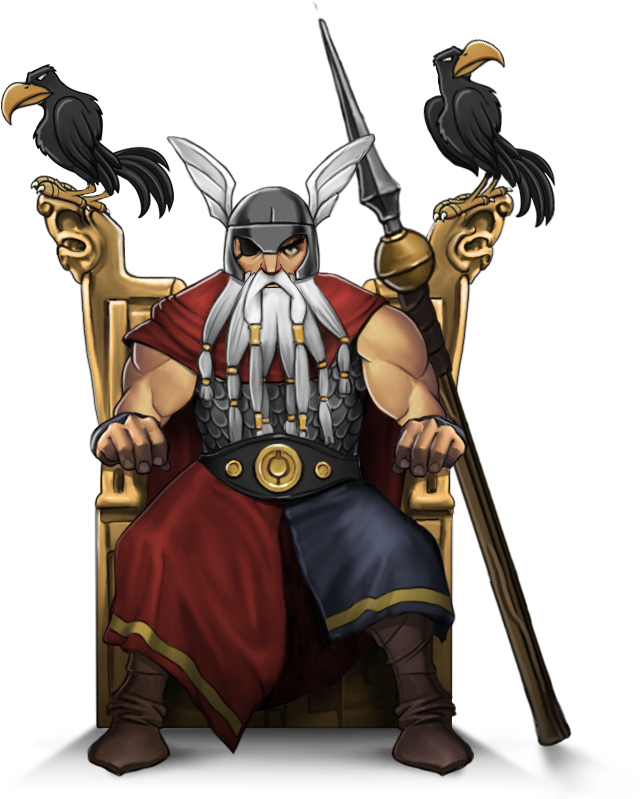
“I saw him,” declared Tomas fervently during a village meeting meant to address these strange occurrences. He stood at the centre of a crowded hall lit by flickering candlelight that danced across curious faces pressed close together. “Odin himself! He came to me in my dreams, a towering figure with one eye blazing like the sun, and he showed me how to save my brother when fever overtook him.”
“That’s nonsense!” barked another man near the back of the room. “It wasn’t Odin; it was Jesus who guided my hands when I healed my daughter’s broken leg!”
“You’re both wrong,” interjected an elderly woman seated near the front, her tone calm but firm. “It was Vishnu who spoke to me, not in words but through visions, when I restored sight to my niece.”
The room erupted into a heated debate as more voices joined in: some swearing allegiance to Zeus or Quetzalcoatl while others insisted on Coyote or Jupiter as their divine benefactor. The fervour grew louder until it felt as though the very walls might buckle under its weight.
“Enough!” shouted Lena from her place near the hearth where she’d been silently observing until now. Her voice cut through the din like a blade through taut cloth. All eyes turned toward her as she rose slowly to her feet, a fragile yet commanding presence amidst chaos.
“Does it matter what name we give them?” she asked quietly but firmly enough for everyone to hear. “They’re helping us, that much is clear, but fighting over who’s right will only tear us apart further.” She paused briefly before adding with conviction: “Perhaps they’re all pieces of something greater… something we can’t fully comprehend yet.”
Her words hung heavy in the air long after she sat down again, an unspoken challenge for those gathered there: could they set aside their differences long enough to rebuild what had been lost? Could humanity rise above division and rediscover unity amid fractured beliefs?
For now, at least, hope flickered faintly like embers waiting patiently for breath strong enough to reignite flames anew, a reminder that even amidst decline and uncertainty lies potential for renewal if only mankind dares reach for it together.