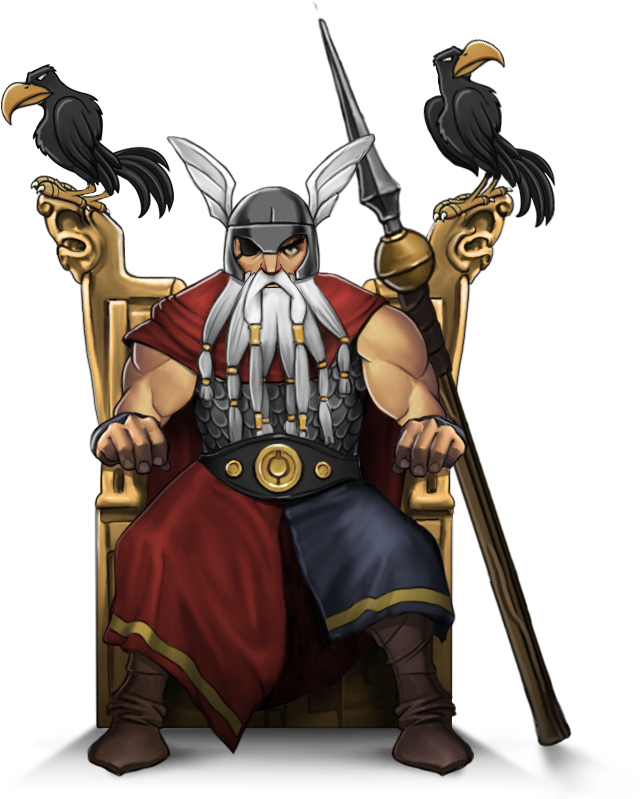
After surviving Mara's harsh environment, the colonists faced a new and mysterious danger. People started falling into a strange stillness. It wasn't tiredness or wounds—something vital was being stolen from them. Statues, that's what they resembled: breathing but unresponsive, their eyes wide and hollow with fear. Some passed away quietly, unable to eat or drink, despite others weeping and begging them to return. At last, the dreadful silence lifted. Gradually, some awoke from their trance, blinking as if startled by the world.
Many woke up dazed, confusion twisting into anger. The base erupted with desperate shouts. One woman shrieked, her face contorted in terror, “Get out of my head!” as her fists trembled. Another pleaded, eyes brimming with panic, “Leave me alone!”—her voice cracked with dread at something invisible. The air was thick with fear and helplessness.
In the following weeks, more people recovered from their stupor. For most, the terror ebbed, confusion fading to a quiet exhaustion. Yet some awoke hollow, eyes shining with tears as they sighed, whispering, "I'm sorry" or "I’m not worthy," voices heavy with guilt and loss.
Uncertainty clung to everyone, a constant reminder that not all who woke up were unchanged. A few simply could not bear the weight of what they’d endured and slipped away, either choosing quiet ends or fading into despair. Their memories haunted the edges of the living quarters in silence. Hope felt paper-thin, threatening to tear under the pressure of invisible dangers within and outside.
Some people woke up dazed yet strangely invigorated, as if they were charged by a storm. They spoke of sensing a vivid, searching presence—its interest was unsettling, as if every secret were bared. Their skin tingled sharply, feeling numb and chilled under that unseen gaze.
Anomalous Biology
Just a few months after the catatonia outbreak, a new medical issue emerged: an increase in stillbirths and malformed fetuses among domestic animals. As time progressed, stillbirths decreased, but more deformed creatures were born alive, though most did not survive. This unsettling trend, first observed in animals with shorter gestation, soon appeared among the colonists as well.
Yet, against the odds, the colonies continued to thrive.
It soon became clear that some animals could survive serious injuries, changed by the experience. Surprisingly, some colonists who survived the catatonia outbreak found they could heal small animal injuries.
The colony swarmed with strange creatures—some bore grotesque limbs or feathers sprouting from unexpected places. Awe mixed uneasily with fear among the people. Running a hand through their fur revealed jarring roughness, slick scales breaking through softness. The air always felt charged, humming with the tension between blossoming life and relentless decay.
The Resurrection
A few years after the colony's early hardships, people noticed that the dead were not staying buried. At first, only the recently buried returned, but soon even those who had died long ago began to rise, some as little more than skeletons. As time passed, these resurrected people became stronger and more active. Instead of hiding, they tried to rejoin daily life. The colonists found that cremation was their only way to stop them.
Only those colonists who woke from their cataonia-like state could sense the presence of the undead.
The Rise of Hybrids
Decades after the first colonists arrived, new mutations began to appear. Birds changed first: sparrows hatched with scales under feathers, hawks with gills on their necks. Mammals began showing features of long-extinct or legendary creatures.
Nature was harsh to these new creatures. Most did not survive, but a few managed to live and have offspring. Some hybrids, like animals with both fur and feathers or reptiles with mammal traits, settled far from people. Many looked incomplete and lived only a short time, but others lasted for generations.
The most unsettling were the upright reptilian creatures that seemed part human, part reptile. Forced out of human settlements, they moved into the swamps. Patrols reported seeing simple shelters and hearing sounds that resembled language. These beings used basic tools and lived together in groups.
The Emergence of Humanoids
The colonists grudgingly accepted certain hybrid beings, particularly those whose features echoed old Earth folklore. Pointed ears, luminous eyes, and uncanny grace marked what survivors called "Elves." Short, stocky figures with stone-working skills became "Dwarves," while diminutive garden-dwellers earned the name "Gnomes."
Rumors stirred fresh terror: shapeless predators lurking behind friendly faces. When evidence emerged that some settlements were steered by these mimics, panic turned to brutality—nearby colonies struck with frantic violence, razing towns entirely. Fear became law. Strangers were tested or killed, as suspicion sharpened into raw, desperate survival.
A World Transformed
Over the centuries, Mara produced more and more complex hybrids. Many died soon after birth, but those who survived became a wide variety of beings. There were small Halflings with quick hands, large Orcs with tusks, sneaky Goblins, huge Giants, and Trolls that healed quickly. The first reptilian creatures developed into Lizard Folk with their own cities and the graceful, hypnotic Nagas. Even more surprising were the cross-species hybrids: Harpies with human faces and bird wings, Centaurs running across the plains, and Minotaurs guarding the mountains. The most frightening stories told of Dragons flying over distant peaks, now real and breathing fire in Mara's changed skies.