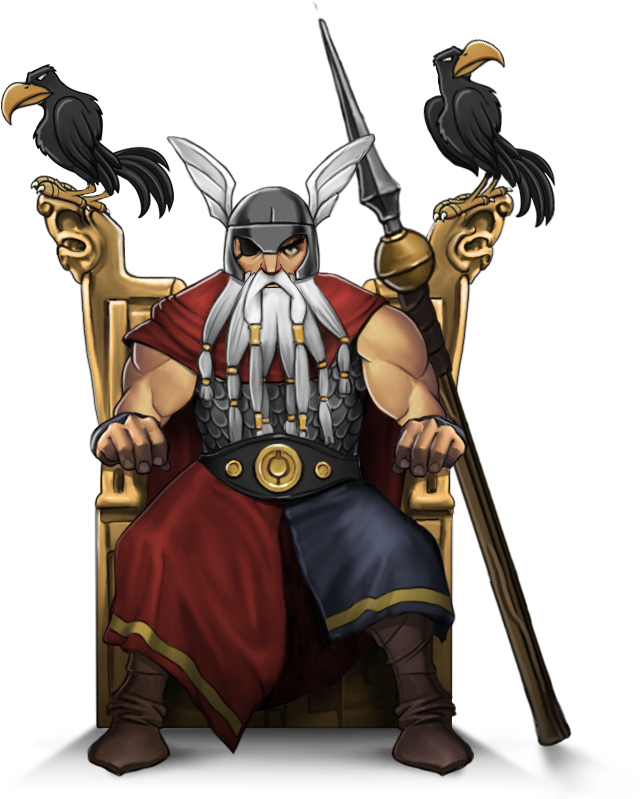
The Exodus slipped into Mara’s orbit, hull scarred from the desperate escape. Inside, ten thousand colonists stumbled from cryo-sleep, each blinking at the faint hope of peace almost within reach. Sigmund Neusfeller stood at the viewport, fingers trembling as they tamed his wiry gray beard, his gaze desperate, searching the swirling blue and green below for signs of salvation.
A low hum filled the command deck, marking the journey’s end as Sigmund remained at the viewport. Mara’s surface shimmered under twin suns, light flickering in his eyes. Uncertainty ran beneath his calm as he hoped the robot scouts had mapped this possible new home well.
The records described a planet similar to Earth, but colder and larger. Its life was ancient and alien, recalling Earth's reptilian era—yet its creatures were wholly unfamiliar.
Most colonists, housed in family modules set for grid-like deployment over the planet, awaited descent. The plan was for even distribution and mutual support. These pods, both escape and habitat, would shelter the colonists until permanent homes were built. Now, tension lingered as the process began.
James's tone was steady. "It's time. Helmsman, bring us down."
The helmsman gripped the controls. "Aye aye, Captain. Initiating landing."
Merlin: "Captain, static field strengthening—still safe."
James nodded. "Monitor closely. Safety first—we go slow and stay ready."
Merlin: "Still within margin. Updating, sir."
Merlin: "Static surge—engulfing shuttles and ship!"
Magellan: " Captain the helm is erratic."
James "Merlin, what's happening?"
Merlin: "Static surge is disrupting electrical systems, sir."
Scotty: "We are getting electrical discharges throughout engineering, Captain."
James: "Red alert! Merlin, solutions now! We can't last much longer."
Merlin: "Diverting power might buy time, but it’s risky—we must move fast."
Elanna: "I'll reroute for stability—temporary fix, though!"
James: "Do it. Every second counts. Keep me posted."
Merlin: "If we don’t act, we’ll lose everyone. Monitoring the surge."
Atmospheric ionization suddenly targeted the electronics on both the pods and the ship, causing immediate overloads as the colony pods began their descent. Their electronics failed without warning, burning out critical components and thrusting the crew into crisis.
With electronics failing, the crew acted fast: operations chief ordered immediate pod release. Crew raced over malfunctioning consoles, forcing jammed levers and bypassing circuits, scrambling to release colonists before systems collapsed.
Uniform distribution of pods was no longer possible. The uncontrolled release created clusters—some pods isolated entirely. The crew, now divided between pod operations and damage control, split up: technicians checked status panels, and the bridge team coordinated final commands. Once all pods were jettisoned, those remaining turned to stabilizing the ship.
James ordered, "Pods released. Helm, raise our orbit to clear the static field."
Chaos erupted with pod release. Engineers reinforced bulkheads as static pressure battered the hull. Crew called out warnings, panels overheated, and the stench of burning wires filled the bridge before everything went dark.
Lightning streaked as pods fell. Some crashed with twisted frames; others landed hard but intact. Inside, colonists braced for survival—a harsh welcome to their new world.
The luckier ones landed safely but were isolated. Hills and fields sprawled under twin suns, the air heavy with unfamiliar scents—a mix of ship fuel and exotic flora.
For Sigmund and the other survivors, even victory was tinged with bitter isolation as each called out into vast expanses for neighbors they couldn't see beyond distant horizons. Every moment after landing increased the chances of the colonists, but finding neighbors was vital. Some landed so far apart they were like islands, leaving colonies crippled and survival all-consuming.
As newly landed, individual settlers took in their situation: each pod nestled randomly into alien landscapes—vibrant streaks of purples and greens painting the moonscapes. The silence, broken only by the wind, accompanied settlers wrestling with available resources. Metal tools felt cold and heavy, but necessary as people fought for continuity in the unknown.
Behind one lonely evening, desperation mingled with hope as makeshiAs night swallowed the landscape, desperation warred with hope. Makeshift fires barely disguised the sting of fear beneath the meager meals. Technology abandoned them, dissolving into dust between trembling hands, forcing spacefarers into desperate resourcefulness. Even drawing water turned from routine to longing—a neighbor’s help now the difference between hope and desolation.ioneers again: tasting fear in every day taken, while dreaming beyond current limitations for better tomorrows—a vibrant new world rising cautiously amid echoes of sharper pasts, now turned to dull whispers in mist-laden dawns.
Upon landing, the colonists poured every resource into sheer survival. Uterine replicators, humming with life-giving energy, served as gestation chambers for domestic animals. The pressure was on to activate them before they broke down completely. This rushed endeavor led to a surplus of newborn creatures—so many that care became impossible. With no other choice, these young animals were set free into the wilderness to fend for themselves.
Just three generations down the line, these outposts had slipped Within three generations, outposts slumped into medieval routines clustered around battered pods—once vessels of hope, now battered sanctuaries. The pain of loss lingered in every whispered name and memory: dreams crashed in silence, ancestors’ hopes echoing faintly in campfire tales. Wonders like steam’s thrum or electricity’s glow became legends children struggled to believe, flickers of a past made distant by hardship and sorrow.o ghosts murmuring through cobwebbed corridors that no ears remembered anymore. A tactile memory might be snagged on a frayed wire or rusted levers, rough against eager fingers searching for forgotten secrets.