The discovery was accidental. Original healing abilities, once celebrated for mending wounds and curing illness, could be twisted to darker purposes. In the wrong hands, or under certain circumstances, they could harm humans and animals alike. The revelation did not come dramatically. Instead, a cold horror crept over villages. A farmer’s mare, healed from a leg injury, suddenly fell ill and convulsed with violent spasms, screaming into the night. Villagers whispered of the healer’s hand turning sour, suspicion and dread tightening their throats.
Some seemed to command abilities beyond harm or healing. In low, uneasy tones, people spoke of those who could speak to animals, not as gentle caretakers, but with a piercing, unnatural bond. “She told my dog to sit,” a young boy murmured by the fire, his knuckles white around his father’s sleeve. He darted anxious glances around, eyes wide. “And he did it, as if he understood everything.” The boy’s father scowled, grip tightening on his son’s shoulder. “Stay away from her,” he growled, voice brittle with fear. “Don’t go near that woman again.”
Some wielded even stranger gifts. They predicted storms or droughts days or weeks in advance. One fisherman swore that old Marta at the edge of town saved him from certain doom. “She told me not to sail out that day,” he recounted at the tavern, hands trembling as they gripped a mug of ale. He’d laughed at her, thinking her a mad old woman spinning tales. Yet, just two hours later, waves crashed against the shoreline. His voice dropped to a raw whisper as he faltered. The men exchanged uneasy glances, laughter fading while tension tightened the air.
These newfound abilities, wondrous yet terrifying, fueled a growing sense of unease that rippled across communities. The disturbance unsettled not just daily life but the very fabric of the world, heralded soon by the appearance of strange animals. Unnatural creatures emerged in forests and hills: a goat with almost human eyes solved villagers’ puzzles, and birds with shimmering feathers mimicked entire conversations, subtly warning or luring people. Rumors abounded—a fox leading children from fire, a stag disappearing before hunters. Each story linked back to the spreading magic, deepening both wonder and suspicion.
But as wonder spread, so too did fear. The boundary between blessing and curse became increasingly blurred, casting suspicion on anyone exhibiting unusual gifts. These fears, rooted in the bizarre occurrences and the unsettling abilities witnessed, caused communities to label their own as witches and sorcerers, forever changing how they viewed the magic among them.
The first accusations began quietly. A mother’s child fell ill after playing near the home of an eccentric widow. A field, once promising, yielded no crops following its owner’s quarrel with a strange man from the woods. “It’s them,” people muttered at supper. “They’re bringing this upon us.” Murmurs swelled into shouts. Ultimately, those shouts turned into action.
Torches were lit. Mobs formed in the dead of night. Eyes wide with panic and mouths contorted in rage, furious crowds dragged suspected witches from their homes. “Confess!” they demanded, voices shaking with desperation and wrath. But no confession could save the accused. Fear, sharp as a blade, had taken hold, and it does not yield to reason.
During the fervor of these purges, villagers noticed a gradual shift: birth defects, once accepted as part of life, seemed to dwindle. Fewer children had extra fingers or oddly shaped limbs; fewer animals bore peculiar traits. To the people, this validated their actions—they believed their crusade against magic truly cleansed the world of corruption.
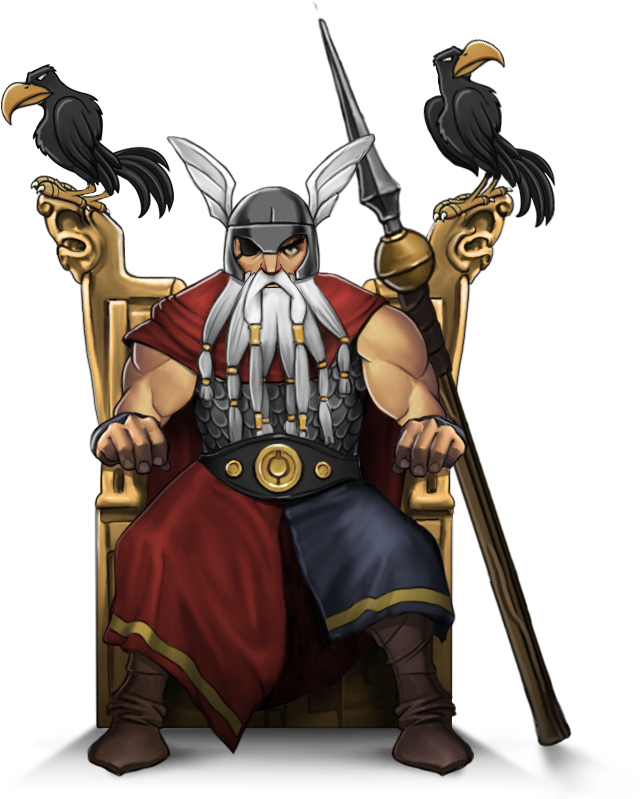
Yet amid the turmoil, a new belief spread. Whispers of an all-encompassing god emerged—one said to control not only life and death but every aspect of existence. This being, known as Verden Sind, inspired both reverence and trepidation, providing a new framework for communities to make sense of the chaos magic had wrought.
Stories said Verden Sind was not a benevolent creator. It was a mischievous force, delighting in conflict and chaos. It pitted groups against each other; humans against animals; neighbor against neighbor. Sometimes it favored one side, sometimes it switched. Both sides would be left bewildered and broken.
A young girl once asked her grandmother about Verden Sind as they sat by the hearth on a cold winter’s night. “Why would it do such things?” she asked softly, her wide eyes reflecting the flickering flames.
The old woman sighed, her face lined with hardship and loss. “Because it can,” she said, her voice tinged with bitterness. “We are nothing more than pieces on its board, a game it plays for its own amusement.”
Yet, despite the fear, magic did not fade. If anything, it pulsed with new life, fierce and undeniable. People felt its presence: electric, unsettling. They realized this strange power was not learned or taught. It was innate, woven into certain individuals, awakening something raw and unspoken within them.
A boy discovered his gift by accident. While tending the hearth, a flame leaped from his fingertips. He stared at his trembling hand, wide-eyed, as his mother gasped behind him. “What have you done?” she whispered, voice shaking, pulling him close as if to shield him from unseen eyes.
“I, I don’t know,” he stammered, tears welling up in his eyes.
“Don’t tell anyone,” she said, gripping his shoulders. Her voice trembled with love and fear. “Promise you won’t tell anyone, do you hear?”
This was how magic survived, not openly, but as secret whispers passed down through generations. Acts of wonder were performed far from prying eyes. Children grew up knowing they were different but never dared ask why aloud.
The age of superstition ended, yielding to complexities. Magic was both feared and revered. Gods played games with mortal lives. Secrets lingered in every shadow. Humanity stood amid it all, fragile yet resilient, caught between wonder and terror, trying to make sense of their changing world.
The Great SleepWith the dawning of The Great Sleep, the world changed again, and another story began. About 250 years after the fall of great civilizations, the world plunged into chaos once more. This time, however, it wasn’t armies or kingdoms at fault, but a calamity that struck magic itself. It began subtly: a tremor in the air made candles flicker and shadows dance across walls. Birds fell silent, their songs cut off mid-note. Then, without warning, every magic user, arcane or divine, collapsed where they stood.
About 250 years after the fall of great civilizations, the world plunged into chaos again. This time, however, it wasn’t armies or kingdoms at fault, but a calamity that struck magic itself. It began subtly: a tremor in the air made candles flicker and shadows dance across walls. Birds fell silent, their songs cut off mid-note. Then, without warning, every magic user, arcane or divine, collapsed where they stood.
In the busy streets of Eldenharrow, Lyra, a young enchantress, collapsed onto the cobblestones. Her spellbook slipped from her grasp. Around her, others with magical gifts dropped as if their strings had been cut, faces drawn with pain. Panic and confusion erupted as onlookers rushed to help.
"Lyra!" a man called out, his voice rough with worry. A burly blacksmith, arms sooty, hurried to her side, shaking her gently. "What’s happening? Wake up!"
Lyra’s eyelids fluttered as she struggled to focus on his face. “Something is wrong,” she whispered, before her eyes rolled back. She drifted into unconsciousness once more.
For a week, those afflicted remained in a strange state, caught between wakefulness and a dreamlike stupor. Some muttered incoherently in their sleep. Others screamed as if tormented by unseen horrors. Families kept vigil, desperate for answers.
When arcane practitioners awoke, relief was short-lived. They felt disoriented and hollowed out, like vessels emptied of purpose. Lyra sat up in her bed in the healer’s quarters, her hands trembling as she reached for her spellbook. She flipped through its pages, muttering incantations.
Nothing happened.
“No, no, no,” she whispered, panic rising in her voice. She tried again, louder, pouring every ounce of willpower into the words. Still, there was no spark, no energy in the air. The world had turned its back on her.
The blacksmith appeared in the doorway, his broad frame filling the space. “Lyra? Are you ...?”
“I can’t cast!” she cried, tears streaming down her face. “It’s all gone! My spells… they don’t work anymore!”
The blacksmith crossed the room in two strides and placed his hands on her shoulders. “Breathe,” he said firmly. “We’ll figure this out.”
But figuring it out proved harder than anyone imagined. Over time, mages learned their spells hadn’t vanished entirely. Instead, they had changed in ways that defied understanding. A simple fireball might fizzle into harmless sparks in one place but erupt into a roaring inferno miles away. Ingredients once universal, like crushed mandrake root and powdered quartz, lost their potency unless combined with new, unfamiliar components.
“It’s as if the land itself has rewritten the rules,” said Master Arvelius, a venerable wizard whose beard was streaked with silver and soot from countless failed experiments. He addressed a gathering of mages in the ruined halls of what had once been a grand academy of magic.
“But why?” Lyra asked from the back of the room. Her voice was steady now but tinged with frustration. “Why would magic change? What could cause something like this?”
Arvelius sighed heavily, his shoulders slumping under the weight of uncertainty. “I do not know,” he admitted. “But we must adapt, or perish.”
Meanwhile, those who had relied on profane magic, priests and warlocks who drew their power from Verden Sind, faced an even bleaker reality. When they awoke from their week-long stupor, they felt an emptiness so profound it was as though their very souls had been hollowed out.